CLIMATE ADVOCATE INFORMATION & GUIDELINES

September 21-28 is Climate Week in NYC. Followers of my blogs and the Wellness Connections podcast know I consider myself a Climate Advocate focused on preventing climate change for a few years now. This post continues to bring you information on what you can do. My Wellness Connections Podcast Episode 80 discuss the causes of climate change and how individuals can help mitigate them.

You can listen to the podcast by clicking below. The podcast is available on Apple, Spotify, Amazon Music and other platforms.
https://www.buzzsprout.com/2349931/episodes/17908331

Below are links and detailed information you can use to engage in learning more about Climate Change.

What is Climate Change?
https://www.nrdc.org/stories/what-climate-change#measured
According to the NRDC (the Natural Resources Defense Council) 
Scientists agree that human activity is the primary driver of what we’re seeing now worldwide. (This type of climate change is sometimes referred to as anthropogenic, which is just a way of saying “caused by human beings.”) The unchecked burning of fossil fuels over the past 150 years has drastically increased the presence of atmospheric greenhouse gases, most notably carbon dioxide
Source: https://www.nrdc.org/stories/what-are-causes-climate-change#human

CLIMATE CHANGE INFO FOR KIDS:
https://www.natgeokids.com/uk/discover/science/nature/how-to-save-the-planet/
https://kids.frontiersin.org/collections/59311/climate-change-volume-2

Carbon Dioxide While carbon dioxide (CO2) is a naturally occurring atmospheric gas essential for plant life, its unprecedented increase due to human activities unequivocally classifies it as an air pollutant. This excess CO2 drives climate change and its associated detrimental effects, making it a significant threat to environmental and human health.
Source: https://iere.org/carbon-dioxide-an-air-pollutant/
The classification of CO2 as an air pollutant has been a subject of debate, but the scientific consensus overwhelmingly supports this designation. Here’s why: Endangerment of Public Health and Welfare: The increased concentration of CO2, leading to climate change, directly endangers public health and welfare. The rising temperatures contribute to heat waves, exacerbating respiratory illnesses and cardiovascular diseases. Changes in weather patterns can lead to increased occurrences of vector-borne diseases and food insecurity due to crop failures.
Source: https://iere.org/carbon-dioxide-an-air-pollutant/#The_Greenhouse_Effect_and_CO2

To stop climate change, we need to stop the amount of greenhouse gases, like carbon dioxide, from increasing. What can we do?
https://scied.ucar.edu/learning-zone/climate-solutions/reduce-greenhouse-gases

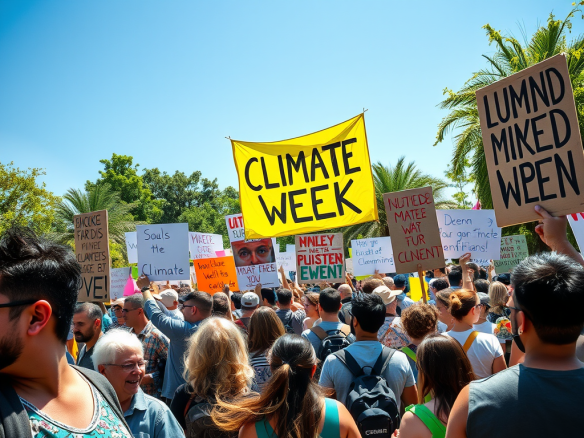
CLIMATE WEEK NYC AGENDA 2025

Those of you who ‘follow’ me, already are aware that I am a Climate Change Advocate. I have posted on numerous occasions what we can do to help alleviate some of the conditions that contribute to climate problems. Food waste is a major issue that we need to address, as it significantly impacts our environment and contributes to greenhouse gas emissions. Every year, millions of tons of food are wasted, which not only represents a loss of resources but also has profound implications for climate change. Additionally, it’s crucial that we learn to discard items in a responsible way, ensuring that we recycle and repurpose as much as possible to minimize our environmental footprint.

This week in New York City is Climate Week, a pivotal event running from
September 21 -28. Climate Week serves as a platform for organizations, activists, and citizens to come together and discuss actionable solutions to the climate crisis. You can visit the website, which will provide you with information about this year’s agenda, including keynote speakers, panel discussions, and various programs you can attend. This is a fantastic opportunity to engage with experts, participate in workshops, and learn about innovative strategies that can empower all of us to make meaningful changes in our daily lives. Let’s seize this moment not just to raise awareness, but to actively participate in creating a sustainable future for generations to come.

Take Back Your Planet with Recycling to Support Climate Change

Hello Everyone,
Here is my News You Can Use 🙂

During the Spring months, oftentimes we look for ways to clean and purge. As a Climate Change Advocate, I am always researching how to get it done in a way that’s a win for me and a win for our Planet. I recently found a website which recycles clothing – including the ones you would never donate.

Introducing TRASHIE
https://www.trashie.io/

According to Trashie their mission is to: make recycling easy, accessible, and rewarding for everyone.
– They have 500,000 Take Bag Users.
– They ensure the materials are reused, repurposed, or recycled, which keeps the items out of landfills.

Introducing TRASHIE CASH – Learn more about it from the except found at the TRASHIE Website: Delve into the numerous benefits of this program, designed not only to enhance your personal journey but also to contribute positively to the health of our Planet. By adopting the principles of TRASHIE CASH, you can begin to transform your waste management habits, promote recycling efforts, and actively participate in community initiatives aimed at reducing environmental impact. Then move forward with your personal plan for yourself and toward helping our Planet!

Source: https://www.thecooldown.com/green-home/trashie-rewards-recycle-old-clothes-startup/

How does TrashieCash work?
To earn TrashieCash, you need to create a free Trashie account1TrashieCash is a special credit earned by being part of recycling adventures, and it can be redeemed for rewards at brand partners2.

Click the link for details: https://www.trashie.io/

Read a list of acceptable items you can recycle with Trashie:
https://help.trashie.io/en-US/what-can-i-put-in-the-take-back-bag-364232

Read a review about how to donate clothes responsibility at:
https://www.nytimes.com/wirecutter/guides/how-to-get-rid-of-old-clothes/

Let’s get it started!

All the best in Wellness!

Recycling Myths

News you can use 🙂

How many of us truly understand the specifics of recycling our waste? Beyond the simple act of purchasing less, it’s important to educate ourselves about what can actually be recycled. For instance, items like plastic bottles, aluminum cans, and paper products often make the cut, but there are many nuances to consider.

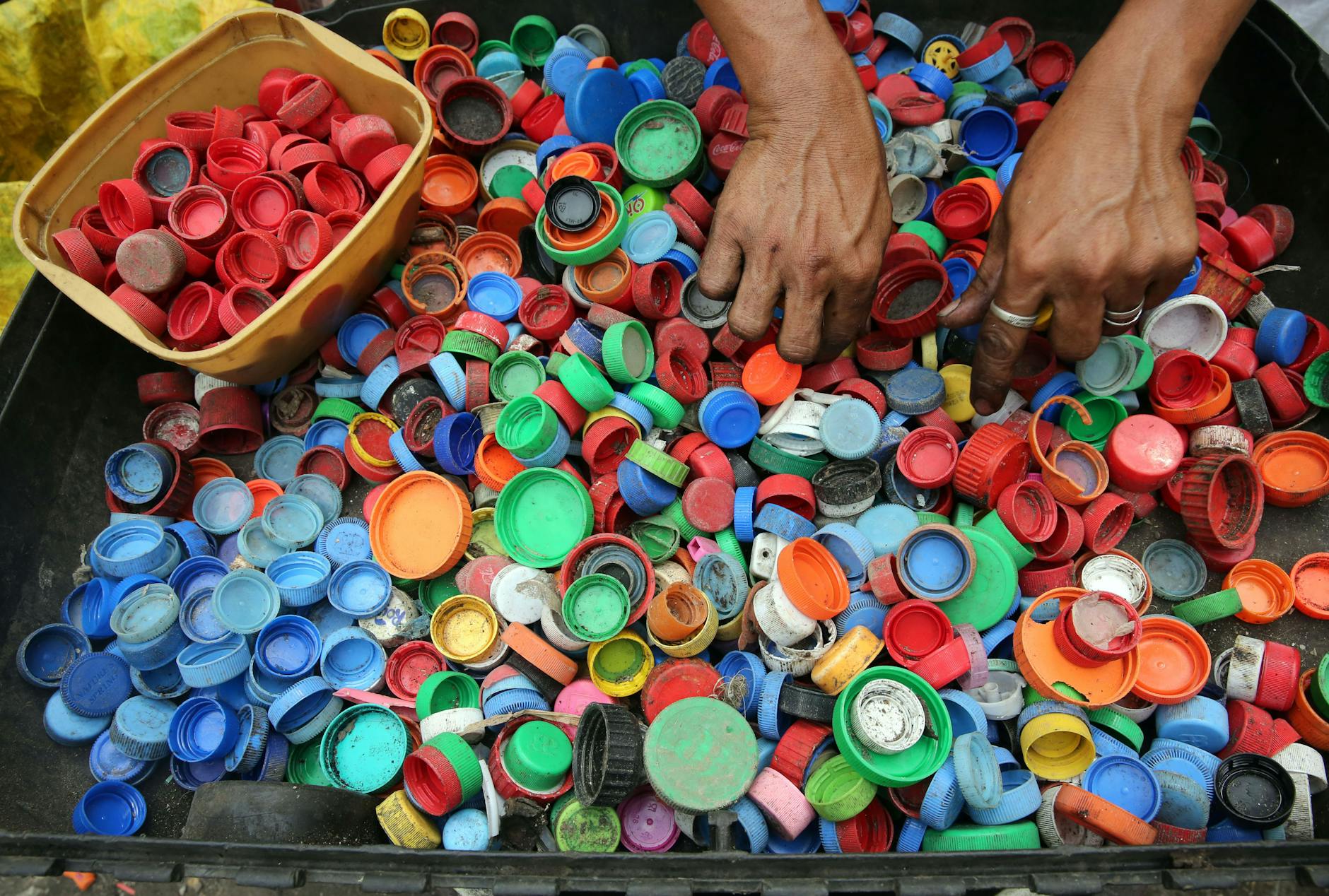
A common question that arises is whether you should screw the top back on before discarding a water bottle. In many recycling programs, it is recommended to keep the cap on; however, this can vary based on local regulations. Some facilities prefer the cap to be removed, as it may not be recyclable in the same way or can interfere with the processing of the bottle itself. It’s crucial to check with your local recycling guidelines for the best practices.

Another aspect to consider is contamination. Rinsing out food containers before recycling can make a significant difference, as greasy or leftover items can render entire bales of recyclables unusable. Furthermore, many people are unaware that not all plastics are created equal, and many types marked with recycling symbols may not be accepted in your local program.

This lack of understanding highlights the importance of education in waste management and recycling practices. By being informed, we can all take actionable steps to make a positive impact. Below is a link to a video that I found via the New York Times, which might be useful to help you do your part in tackling these challenges as we face the growing concerns of Climate Change. The more we learn and share about recycling and waste reduction, the more effective we can be in our efforts.

Sources: https://www.climateofourfuture.org/recycling-plastic-bottle-lids-what-you-need-to-know/

RECYCLING FOOD WASTE for OUR PLANET’S HEALTH with Climate Action Tips

News we can use 🙂

During the holiday season, it’s common to purchase more food than we can consume. This presents an opportunity to use leftovers creatively, reducing food waste and its impact on climate change. My most recent podcast Episode #72 (Judith Guerra Wellness Connections) discusses what COMPOSTING is and why we want to participate in taking steps to employ this sustainable method of climate action to help with climate challenges. The NRDC  (the Natural Resources Defense Council) states what COMPOSTING provides: “positive ways that protect the planet’s wildlife and wild places, and to ensure the rights of all people to clean air, clean water and healthy communities.”

Learn more about what the NRDC does at this link: https://www.nrdc.org/about

Click the links for detailed information:
https://www.epa.gov/recycle/composting-home

Review a list of food waste which is good for COMPOSTING:
https://www.wellandgood.com/best-foods-for-compost/

Climate Action Information: https://www.un.org/sustainabledevelopment/climate-action/

Recycle your batteries and learn more about it at the link below:
https://www.terracycle.com/en-US/about-terracycle/

FYI – Captain Planet TV Series

You can listen to my podcast at the BuzzSprout link below, or on Apple, Prime, Spotify and other platforms.
https://www.buzzsprout.com/2349931

All the best in Wellness!

CLIMATE CHANGE WEATHER PATTERNS


The unusual weather patterns we are experiencing today are indeed a manifestation of climate change, as reported by numerous scientists and observers globally. It’s an issue we can engage with by educating ourselves and taking action to lessen our impact. Undoubtedly, climate change affects us all, from rising home insurance premiums to water scarcity, among other issues. For more information on climate change, please refer to this video link. Click the linkhttps://cdn.jwplayer.com/previews/1UsnOhzg

Photo by Artem Podrez on Pexels.com

Click links below for detailed information.

Food Waste in America in 2024: Statistics & Facts | RTS

Why should we care about food waste? | USDA

Hurricane Resources: https://www.usda.gov/

https://www.fns.usda.gov/disaster/usda-foods-during-disaster
https://www.fns.usda.gov/national-hunger-hotline

For your information, here is a detailed description of secure .gov websites. Click the link.
https://www.state.gov/privacy-impact-assessments-privacy-office/safety-and-accountability-for-everyone-system-safe-pia/

Food Waste Prevention Week – FREE Webinars

News you can use 🙂

All the best for the Planet 🙂

GUIDELINES FOR DISCARDING YOUR OLD COMPUTER

News you can use 🙂

What steps should you take before you get rid of your old computer?

Click the link for guidelines from the Federal Trade Commission (FTC)

WHAT IS NAID RECYCLING?

News you can use :).

If you are recycling important documents for your business or personal information, you may want to know about the NAID Certification of the shredding company.

Detailed information:
https://www.accesscorp.com/blog/naid-certification-and-information/

Great Sustainability App & Website

What resolutions have you made for this 2021 year? Maybe you are not sure where to start, or even if it’s realistic you can keep them?

I was having a conversation with myself about being more responsible for those who come after me on planet Earth, to do my part in taking some interest and responsibility in finding out solutions to assist those doing the hard work in addressing sustainability issues.

Just as I was thinking about sustainable issues that confront our entire planet, someone asked me what to do with used batteries. By the way, what do you do with yours? Do you feel guilty when you just put them in the garbage, or are you saving them until you figure it out?

Did you know that after batteries are collected, they are sorted first by type, and then by chemistry? It’s a complicated process, which I will not detail here. However, below are ways to get started with doing your part to help the planet with guidelines from Recycle Nation.

Source: The Importance of Battery Recycling For Our Future – RecycleNation

Recycle Nation

1– Place batteries in their original packaging for quick identification.
2– Tape the ends with clear packaging tape, place them in clear bags, and bring them to one of the recycling facilities found in their list
3– All batteries can be recycled. Where you go for the different types may differ. If possible, look for a drop-off center that takes them all and sorts them into types for you.

Continue reading